The Best Plant-Based Protein Sources
Welcome to Girls Fitness! In this article, we'll explore the best plant-based protein sources that are perfect for boosting your fitness journey. Discover how these nutritious and delicious options can enhance your workouts and support your overall health. Dive in and transform your diet with plant power!
⭐ Table of content
Top Plant-Based Protein Picks for Fitness Enthusiasts
For fitness enthusiasts, especially those focusing on body sculpting and strength building, protein is a crucial macronutrient. For fitness girls who prefer plant-based options, there are plenty of choices that can help meet protein needs effectively. Here are the top plant-based protein picks that can be included in a balanced diet:
1. Lentils: Boasting around 18 grams of protein per cooked cup, lentils are not only high in protein but also provide a significant amount of fiber that aids digestive health.
2. Quinoa: Unlike many grains, quinoa offers all nine essential amino acids, making it a complete protein. It's perfect for adding to salads or using as a base for a nourishing bowl.
3. Chickpeas: With approximately 15 grams of protein per cooked cup, chickpeas are versatile. They can be added to salads, roasted as a snack, or blended into hummus for a protein-rich dip.
4. Tofu and Tempeh: Both tofu and tempeh are derived from soybeans and serve as excellent protein sources. They adapt well to various flavors and cooking methods, making them ideal for diverse recipes.
5. Chia Seeds: While not extremely high in protein, chia seeds offer about 5 grams per ounce. They're easily incorporated into smoothies, oatmeal, or puddings, adding nutrient density to meals.
6. Spirulina: This algae is considered a superfood due to its incredible nutritional profile, providing around 8 grams of protein per 2 tablespoons. It's often added to smoothies for an extra boost.
7. Edamame: Young soybeans served in their pods, edamame contains around 17 grams of protein per cooked cup and serves as a tasty and nutritious snack.
8. Hemp Seeds: Containing roughly 10 grams of protein per 3 tablespoons, hemp seeds are not only a good source of protein but also rich in omega-3 fatty acids, promoting heart health.
Incorporating these plant-based proteins into the diet can help fitness girls remain energetic and support muscle recovery and growth.
What is the highest quality plant protein source?
For fitness girls looking to optimize their protein intake with plant-based options, quinoa stands out as one of the highest quality plant protein sources. Unlike most plant proteins, quinoa is a complete protein, meaning it contains all nine essential amino acids that the body cannot produce on its own. This makes it particularly beneficial for muscle repair and growth.
Moreover, quinoa is not just about protein; it is also rich in other nutrients like fiber, magnesium, and iron, which are crucial for overall health and energy levels. Incorporating quinoa into your diet can be done easily through salads, bowls, or even as a side dish, helping maintain a balanced diet that supports your fitness goals.
Another excellent high-quality plant protein is hemp seeds. They provide a complete protein source with a significant amount of branched-chain amino acids (BCAAs), which are essential for muscle growth. The healthy fats in hemp seeds also contribute to heart health and anti-inflammatory benefits.
Lastly, soy products like tofu and tempeh are great options. They are highly versatile in cooking and offer a substantial amount of protein per serving. Soy is also a complete protein and contains additional nutrients like calcium and iron, supporting bone health and oxygen transport during workouts.
In summary, incorporating quinoa, hemp seeds, and soy products into your diet can significantly boost your intake of high-quality plant proteins, aiding in muscle development and overall fitness for girls dedicated to their health journeys.
What is the highest protein plant-based food?
For fitness enthusiasts, especially Fitness girls seeking to increase their protein intake through plant-based foods, it's important to focus on options that are both high in protein and versatile for various recipes. One of the highest protein plant-based foods is seitan. Made from wheat gluten, seitan contains approximately 25 grams of protein per 3.5 ounces (100 grams), making it an excellent meat substitute for those aiming to build muscle and support recovery.
Additionally, there are other notable high-protein plant-based options:
1. Lentils: Providing about 18 grams of protein per cooked cup (198 grams), they're great in soups, salads, and stews.
2. Chickpeas: With around 15 grams of protein per cooked cup (164 grams), they're extremely versatile, suitable for hummus, snacks, or main dishes.
3. Tofu and Tempeh: Tofu offers about 8 grams of protein per 3.5 ounces (100 grams), while tempeh provides up to 20 grams for the same serving size.
These options not only support muscle growth and recovery but also add variety to a plant-based diet.
What plant has the most complete protein?
When it comes to plant-based nutrition, especially in the context of fitness and muscle building for women, quinoa is often highlighted as one of the best sources of complete protein. This nutrient-dense grain contains all nine essential amino acids that the body cannot produce on its own, making it an excellent choice for those following a plant-based diet.
In addition to quinoa, another fantastic source is hemp seeds. They are not only rich in complete protein but also high in healthy fats and minerals, supporting overall health and fitness goals.
Incorporating these foods into your diet can help ensure you're getting the necessary nutrients to support your fitness journey.
How to get 100g protein without meat?
Sure! For fitness enthusiasts looking to consume 100g of protein without meat, there are plenty of plant-based and dairy options available. Here’s a breakdown:
1. Greek Yogurt: A single cup can contain approximately 20g of protein. Opt for plain, non-fat versions for the best nutritional profile.
2. Cottage Cheese: One cup offers about 25g of protein. It's versatile and can be used in both sweet and savory dishes.
3. Lentils: Cooked lentils provide around 18g of protein per cup. They are also rich in fiber and great for heart health.
4. Chickpeas: One cup of cooked chickpeas has about 15g of protein. They can be added to salads or blended into hummus.
5. Quinoa: This pseudo-grain offers 8g of protein per cooked cup. It’s a complete protein source, containing all nine essential amino acids.
6. Tofu: Half a cup contains approximately 10g of protein. Tofu is extremely versatile and can be grilled, baked, or added to smoothies.
7. Edamame: These young soybeans deliver about 17g of protein per cup. They make an excellent snack or salad topping.
8. Peanut Butter: Two tablespoons give you about 8g of protein. Look for natural versions without added sugars.
9. Protein Powder: Plant-based protein powders derived from peas, rice, or hemp can help fill in the gaps. A typical serving provides 20-30g of protein.
10. Chia Seeds: Although small, they pack about 5g of protein per ounce. They’re great in smoothies, oatmeal, or as a pudding.
By combining these sources throughout the day, you can easily reach your goal of 100g of protein while supporting your fitness journey. Always remember to balance your diet with other macro and micronutrients to achieve optimal health and performance.
What are the top plant-based protein sources recommended for fitness girls looking to build muscle?
For fitness girls aiming to build muscle, top plant-based protein sources include quinoa, lentils, chickpeas, tofu, tempeh, edamame, and chia seeds. These options provide essential amino acids and support muscle growth effectively.
How do plant-based protein sources compare to animal-based proteins in terms of benefits for fitness girls?
Plant-based protein sources offer several benefits for fitness girls, although there are some differences compared to animal-based proteins. Plant-based proteins like legumes, nuts, and tofu generally contain less saturated fat and more fiber, making them heart-friendly and beneficial for overall health. However, they often lack some essential amino acids, which can be balanced by eating a variety of foods. Animal-based proteins, such as chicken and fish, typically provide all essential amino acids and are highly bioavailable, supporting muscle recovery and growth effectively. Fitness girls can achieve optimal results by combining both sources to leverage the complete nutrient spectrum they offer.
Which plant-based protein sources can help fitness girls meet their daily protein requirements efficiently?
For fitness girls, effective plant-based protein sources include lentils, chickpeas, quinoa, tofu, tempeh, edamame, and hemp seeds. These options are rich in protein and can help meet daily requirements efficiently.
10 High-Protein, Low-Carb Snacks For Busy Days

Carb Cycling: What Is It And How Does It Work?
A Guide To Gut Health And Its Role In Fitness
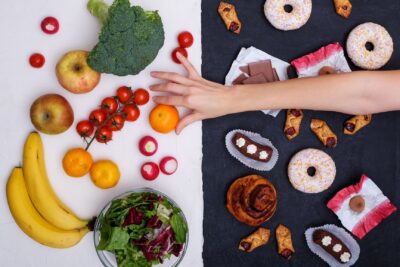
Healthy Food Swaps For Common Cravings
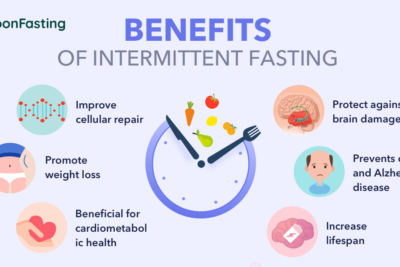
The Benefits Of Intermittent Fasting For Women

How To Build A Balanced Plate For Every Meal
Subir
Display a rewarded ad
Deja una respuesta