
How To Build A Balanced Plate For Every Meal
Creating a balanced meal is essential for achieving fitness goals. In this guide, we'll explore how to craft a nutrient-rich plate that fuels your body. Discover the ideal portions of proteins, carbs, and fats to include in every meal for optimal energy and performance. Stay tuned!
⭐ Table of content
Creating Nutrient-Packed Meals: A Guide for Fitness Enthusiasts to Fuel Your Body Right
For fitness girls, maintaining a well-balanced diet is essential to achieving optimal performance and health. Understanding how to create nutrient-packed meals will help fuel your body right and support your fitness goals. Here are some guidelines to consider:
1. Prioritize Protein: Proteins are the building blocks of muscle, crucial for recovery and growth. Incorporate sources like lean chicken, tofu, beans, and fish into your meals. Aim for at least 20-30 grams of protein per meal.
2. Embrace Healthy Fats: While fats often have a bad reputation, they are vital for hormone production and maintaining energy levels. Opt for healthy fats such as avocados, nuts, seeds, and olive oil to keep your body energized and satiated.
3. Choose Complex Carbohydrates: Carbs provide the necessary fuel for workouts. Focus on complex carbohydrates like sweet potatoes, brown rice, quinoa, and whole-grain pasta to give you sustained energy throughout the day.
4. Load Up on Vegetables: Vegetables are rich in vitamins, minerals, and antioxidants, which help in reducing inflammation and promoting overall health. Aim to fill half your plate with colorful veggies to ensure you're getting a variety of nutrients.
5. Stay Hydrated: Water plays a vital role in digestion and nutrient absorption. For active individuals, proper hydration is key to maintaining energy levels and optimizing performance. Aim for at least 8-10 glasses of water daily, more if you’re sweating heavily during workouts.
6. Plan and Prep Your Meals: By planning ahead, you can avoid making poor food choices when you're busy or tired. Consider meal prepping once a week, so you always have nutrient-dense meals ready for busy days.
7. Listen to Your Body: Every individual’s dietary needs are different. Pay attention to how your body responds to various foods and adjust your diet accordingly. This personalized approach ensures that you're giving your body exactly what it needs to thrive.
Incorporating these strategies will not only support your fitness endeavors but also encourage a healthier, balanced lifestyle. Eating right fuels your ambitions, builds resilience, and enhances your overall well-being.
How to build a balanced plate of food?
Building a balanced plate of food is crucial for fitness girls who are focusing on optimizing their performance and physique. Here are the key components to consider:
1. Lean Proteins: Essential for muscle repair and growth, lean proteins should form a significant part of your plate. Options include chicken breast, turkey, fish, tofu, or beans. Aim for about 20-30% of your plate to be protein.
2. Complex Carbohydrates: These provide sustained energy for workouts and daily activities. Include whole grains like brown rice, quinoa, oats, or sweet potatoes. Complex carbohydrates should make up about 40-50% of your plate.
3. Healthy Fats: Essential for hormone production and overall health, include sources like avocados, nuts, seeds, and olive oil. Healthy fats should constitute around 20-30% of your plate.
4. Colorful Vegetables: Vegetables are packed with vitamins, minerals, and fiber, crucial for digestion and recovery. Fill half of your plate with a variety of vegetables like spinach, kale, bell peppers, and broccoli.
5. Hydration: While not on your plate, staying hydrated is essential. Drink plenty of water throughout the day and consider electrolyte-rich drinks if you're engaging in intense exercise.
6. Portion Control: Be mindful of portion sizes to maintain energy balance. Using a smaller plate can help control portion sizes and ensure you get a varied mix of nutrients.
7. Timing Your Meals: Plan to eat a balanced meal 1-2 hours before workouts for energy, and soon after exercising to aid recovery.
By focusing on these components, fitness girls can create meals that support their training goals, improve recovery, and enhance overall well-being.
How do you structure a balanced meal?
Creating a balanced meal for fitness goals involves including the right proportions of macronutrients and micronutrients to support energy levels, recovery, and overall health. Here is a guide to structuring a balanced meal for Fitness girls:
1. Protein: Ensure you include a source of lean protein in your meal, such as chicken breast, fish, tofu, or legumes. Aim for about 20-30 grams of protein per meal, depending on your specific needs and workout intensity. Protein is crucial for muscle repair and growth.
2. Carbohydrates: Incorporate complex carbohydrates to provide sustained energy throughout the day and fuel your workouts. Options like quinoa, brown rice, sweet potatoes, or whole grain pasta are excellent choices. Focus on portion sizes to match your activity level.
3. Healthy Fats: Don't overlook the importance of healthy fats for hormone production and energy. Add sources like avocados, nuts, seeds, or olive oil to your meals. These can also aid in absorbing fat-soluble vitamins.
4. Vegetables and Fruits: Fill half your plate with a variety of colorful vegetables and some fruits. They provide essential vitamins, minerals, and antioxidants which are vital for recovery and immune function. Try to incorporate dark leafy greens, berries, or bell peppers.
5. Hydration: While not part of the plate, staying hydrated is crucial. Drink plenty of water throughout the day, and consider adding electrolytes if you’re engaging in intense workouts.
6. Timing: Consider the timing of your meals around your workout schedule. Eating a balanced meal about 1-3 hours before exercising can provide energy, while a post-workout meal rich in protein and carbs can help in recovery.
By balancing these elements, Fitness girls can ensure they’re supporting their body’s needs for both performance and overall well-being.
What should be on your plate for a balanced meal?
Creating a balanced meal is crucial for fitness girls aiming to optimize their performance and health. Here's what should be on your plate:
1. Lean Proteins: Proteins are essential for muscle repair and growth. Opt for sources such as chicken breast, turkey, fish, tofu, or legumes. Aim for 20-30 grams of protein per meal.
2. Complex Carbohydrates: Carbs provide the energy needed for workouts. Choose whole grains like brown rice, quinoa, oats, or sweet potatoes. These will help sustain energy levels throughout the day.
3. Healthy Fats: Incorporate fats for hormone regulation and joint health. Include avocado, nuts, seeds, or olive oil in your meals. They also help with the absorption of vitamins.
4. Fruits and Vegetables: Vital for micronutrients and fiber, aim to fill half your plate with colorful veggies and fruits. They assist in recovery and overall health.
5. Hydration: Although not on your plate, staying hydrated is key. Drink plenty of water throughout the day to support metabolic functions and maintain energy levels.
Remember, portion sizes and macronutrient distribution may vary based on individual goals, activity levels, and nutritional needs. Tailor your meals to fit your personal fitness journey.
How do you divide your plate for healthy eating?
When it comes to healthy eating, especially for Fitness girls aiming to optimize their performance and physique, it's essential to focus on a balanced approach. Here's how you can divide your plate:
1. Proteins: Fill about 1/4 of your plate with high-quality protein sources. This can include lean meats like chicken or turkey, fish, eggs, tofu, or legumes. Proteins are crucial for muscle repair and growth, making them indispensable for active individuals.
2. Carbohydrates: Another 1/4 of your plate should be dedicated to complex carbohydrates. Opt for whole grains like quinoa, brown rice, sweet potatoes, or whole-grain pasta. These provide the energy needed for intense workouts and help in recovery.
3. Vegetables: Allocate 1/2 of your plate to a variety of colorful vegetables. They are rich in vitamins, minerals, and fiber, which are essential for overall health and can aid in maintaining a healthy weight.
4. Healthy Fats: Include a small portion of healthy fats such as avocado, nuts, seeds, or olive oil. These can be incorporated as dressings or toppings for added flavor and satiety.
5. Hydration: While not part of your plate, ensure you drink enough water throughout the day to stay hydrated, especially if you're engaging in regular fitness activities.
This balanced approach ensures that you're fueling your body properly, supporting both your fitness goals and overall well-being. Remember, individual needs may vary, so it's important to modify these portions based on your specific dietary and energy requirements.
What are the essential macronutrients needed to build a balanced plate for fitness girls, and how should they be proportioned?
To build a balanced plate for fitness girls, it's essential to include the following macronutrients: proteins, carbohydrates, and fats. A well-proportioned plate typically includes about 40% carbohydrates for energy, 30% proteins for muscle repair and growth, and 30% healthy fats for long-lasting energy and hormone regulation. Adjust these ratios slightly based on individual goals and activity levels.
How can fitness girls incorporate enough protein into each meal to support muscle growth and recovery?
Fitness girls can incorporate enough protein into each meal by including a lean protein source like chicken, turkey, tofu, or fish. Adding protein-rich snacks such as Greek yogurt, cottage cheese, or protein shakes between meals can also be beneficial. It's important to distribute protein intake evenly throughout the day to optimize muscle growth and recovery. Additionally, including a variety of plant-based proteins like beans, lentils, and quinoa can provide essential nutrients and support overall dietary balance.
What role do micronutrients play in building a balanced plate, and which foods should fitness girls prioritize for optimal health?
Micronutrients play a crucial role in building a balanced plate by supporting immune function, bone health, and energy production, which are essential for fitness girls. They help optimize performance, recovery, and overall well-being. Fitness girls should prioritize foods rich in vitamins and minerals such as leafy greens, berries, lean proteins, nuts, and seeds. Additionally, incorporating colorful vegetables and whole grains ensures a diverse intake of essential nutrients for optimal health.
10 High-Protein, Low-Carb Snacks For Busy Days

Carb Cycling: What Is It And How Does It Work?
A Guide To Gut Health And Its Role In Fitness
Healthy Food Swaps For Common Cravings
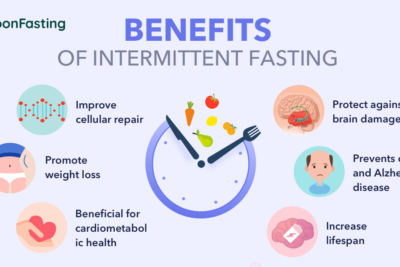
The Benefits Of Intermittent Fasting For Women

Understanding Food Labels: A Guide For Beginners
Subir
Display a rewarded ad
Deja una respuesta