

The Benefits Of Intermittent Fasting For Women
Discover the transformative power of Intermittent Fasting for women. This dietary approach not only aids in weight management but also boosts metabolic health, enhances mental clarity, and supports hormonal balance. Uncover how this lifestyle change can empower you on your fitness journey.
⭐ Table of content
Unlocking the Power: How Intermittent Fasting Enhances Fitness Goals for Women
Intermittent fasting has gained significant traction among women in the fitness community, and for good reason. This eating pattern alternates between periods of eating and fasting, offering benefits that align closely with fitness goals.
One of the primary advantages of intermittent fasting is its role in weight management. By creating a window for eating, it naturally reduces calorie intake without the need for strict dieting. This can lead to a sustainable and gradual weight loss, which is crucial for maintaining long-term fitness.
Moreover, intermittent fasting helps enhance metabolic health. This is particularly beneficial for women looking to improve their body composition by reducing fat while retaining lean muscle mass. During the fasting period, the body shifts from glucose-based energy to fat-based energy, promoting fat loss and potentially improving muscle definition.
A major concern for many women in fitness is optimizing workout performance and recovery. Intermittent fasting can be strategically used to enhance this. The timing of meals and workouts can lead to improved insulin sensitivity and increased human growth hormone (HGH) levels, both of which are important for muscle repair and growth.
Additionally, fasting has been linked to an increase in cellular repair processes and a reduction in inflammation. This means faster recovery times, less muscle soreness, and a decreased risk of injuries—all critical factors for those pursuing consistent fitness routines.
Finally, intermittent fasting can contribute to mental well-being and focus. Many women report increased clarity and energy levels during fasting periods. This mental clarity can support better workout sessions as well as effective stress management, which is vital for overall fitness success.
While intermittent fasting isn't a one-size-fits-all solution, its adaptability makes it an attractive approach for women aiming to enhance their fitness levels.
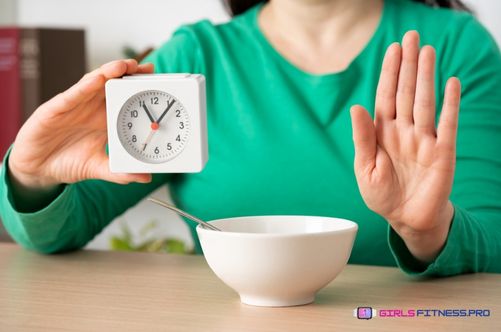
What does intermittent fasting do to a woman's body?
Intermittent fasting can have several impacts on a woman's body, particularly in the context of fitness and health. Here are some key points:
1. Improved Insulin Sensitivity: Intermittent fasting can help improve insulin sensitivity, which is crucial for managing blood sugar levels. This can be beneficial for women looking to manage or reduce their risk of type 2 diabetes.
2. Fat Loss: By reducing overall calorie intake and increasing metabolic rate during fasting periods, many women experience significant fat loss. This is often one of the main goals for fitness enthusiasts.
3. Hormonal Balance: Fasting can influence hormonal balance in women. While it may increase levels of beneficial hormones like growth hormone, extreme fasting can sometimes lead to irregularities in menstrual cycles or other hormonal disruptions if not managed properly.
4. Muscle Retention: Intermittent fasting, when paired with a suitable exercise regimen, can aid in muscle retention. It's essential for fitness girls to ensure they are consuming adequate protein during eating windows to support muscle maintenance.
5. Enhanced Mental Clarity: Many women report improved focus and mental clarity as a result of intermittent fasting, which can enhance workout performance and overall productivity.
6. Reduced Inflammation: Fasting can lead to reduced levels of inflammation in the body, which is beneficial for recovery after workouts and overall health.
7. Autophagy: This is a process where the body cleans out damaged cells and regenerates new ones. Intermittent fasting can promote autophagy, which is essential for maintaining muscle health and longevity.
It's important for women interested in intermittent fasting to consider their specific health needs and consult with a healthcare provider or nutritionist to ensure it's done safely and effectively.
How many hours should a woman do intermittent fasting?
For women, especially those involved in fitness, intermittent fasting can be a beneficial approach, but it's important to tailor it carefully. The most common method is the 16/8 approach, where you fast for 16 hours and have an 8-hour eating window. However, some women might find that a 14/10 schedule (fasting for 14 hours and eating within a 10-hour window) works better due to hormonal differences and energy requirements.
The key is to listen to your body and observe how it responds. Some women may experience hormonal imbalances or fatigue if they fast for too long. It's crucial to ensure that during your eating window, you're consuming nutrient-dense foods to support your fitness goals, including adequate protein, healthy fats, and carbohydrates.
Starting with a shorter fasting period, such as 12 hours, and gradually increasing it can also help you find the right balance. Always consult with a healthcare or nutrition professional to ensure intermittent fasting aligns with your individual health needs and fitness objectives.
How long does it take to see results from intermittent fasting for women?
The time it takes to see results from intermittent fasting for women can vary greatly based on individual factors such as diet, exercise, and body composition. However, some general guidelines can provide an idea:
1. Initial Changes (1-2 weeks): In the first couple of weeks, many women experience a reduction in water weight and might feel less bloated. This is often due to lower insulin levels allowing kidneys to shed excess sodium.
2. Visible Results (4-6 weeks): Around the 4 to 6-week mark, women might start noticing more visible changes such as a slimmer waist or looser-fitting clothes. These changes occur as the body adjusts to using stored fat for energy.
3. Sustainable Fat Loss (8-12 weeks): By this point, consistent intermittent fasting combined with a healthy diet and exercise can lead to sustainable fat loss and improvements in muscle tone. This timeframe is where most women see significant transformations.
4. Long-term Benefits (3 months and beyond): Continued adherence can lead to better hormonal balance, improved mental clarity, and long-term maintenance of body composition.
It's important to remember that results also depend on maintaining a balanced diet, staying hydrated, and incorporating regular exercise. Each woman's body responds differently, so patience and consistency are key.
Why shouldn't women fast for 16 hours?
Fasting for 16 hours, often associated with intermittent fasting, might not be ideal for all women, especially those engaging in fitness activities. Here are some considerations:
1. Hormonal Balance: Women have a more complex hormonal system than men, which can be sensitive to extended fasting periods. Long fasting can disrupt menstrual cycles and lead to hormonal imbalances, affecting overall health and performance.
2. Energy Levels: Fitness girls require adequate energy to support their workouts. Extended fasting could lead to decreased energy, impacting training intensity and recovery, which are crucial for achieving fitness goals.
3. Metabolic Rate: Some studies suggest that prolonged fasting might lower metabolic rate in women, making it harder to maintain or lose weight. A consistent intake of nutrients throughout the day can keep metabolism active and support muscle retention.
4. Muscle Maintenance: Adequate protein intake is essential for muscle maintenance and growth. Long fasting periods might make it challenging to consume enough protein, especially if someone has higher protein needs due to intense training.
5. Mental Well-being: For some women, strict fasting schedules can promote a negative relationship with food. Stress and anxiety around eating windows might arise, potentially leading to disordered eating patterns.
Each woman's body responds differently, so it's crucial for fitness girls to listen to their bodies and consult with healthcare professionals before adopting any fasting regimen. Tailoring nutrition strategies to individual needs and fitness goals is key to optimizing performance and well-being.
What are the specific health benefits of intermittent fasting for women involved in fitness?
Intermittent fasting offers several specific health benefits for women in fitness. It can enhance fat loss while preserving muscle mass, which is crucial for fitness enthusiasts. Additionally, it may improve insulin sensitivity, leading to better blood sugar control and energy levels during workouts. Fasting can also boost metabolic flexibility, allowing the body to efficiently switch between burning fat and carbohydrates. Some women experience a reduction in inflammation and oxidative stress, promoting quicker recovery post-exercise. Lastly, intermittent fasting can sometimes help in regulating hormones, important for maintaining overall health and well-being.
How does intermittent fasting affect muscle growth and performance in active women?
Intermittent fasting can have both positive and negative effects on muscle growth and performance in active women. On the positive side, it may enhance insulin sensitivity and help with body composition by promoting fat loss while preserving lean mass. However, if not managed properly, it could potentially hinder muscle growth due to inadequate calorie and protein intake during the eating windows. Timing of workouts and nutrient intake is crucial to ensure optimal performance and recovery. Therefore, careful planning is required to balance fasting with fitness goals.
Are there any considerations or modifications women should be aware of when practicing intermittent fasting alongside a fitness regimen?
When practicing intermittent fasting alongside a fitness regimen, women should be aware of a few considerations and modifications. It's important to ensure adequate nutrient intake during eating windows to support their energy needs and recovery. Women might need to adjust fasting periods around workouts for optimal performance, possibly by eating before or soon after exercise. Monitoring how the body responds is crucial, as hormonal changes can affect women's fasting experiences differently. Consulting with a healthcare or nutrition professional can provide personalized guidance to align fasting with fitness goals safely.
10 High-Protein, Low-Carb Snacks For Busy Days

Carb Cycling: What Is It And How Does It Work?
A Guide To Gut Health And Its Role In Fitness

Healthy Food Swaps For Common Cravings

How To Build A Balanced Plate For Every Meal

Understanding Food Labels: A Guide For Beginners
Subir
Display a rewarded ad
Deja una respuesta