

Powerlifting Basics For Women
Welcome to Girls Fitness! Discover the empowering world of Powerlifting Basics for Women. In this article, we will explore essential techniques and benefits, helping you build strength and confidence. Ready to embark on this empowering journey? Let’s lift strong together!
⭐ Table of content
Empower Your Strength: A Beginner's Guide to Powerlifting for Women
Powerlifting is a sport that's rapidly gaining popularity among women, and for good reason. Not only does it help in building physical strength, but it also fosters mental resilience and empowerment. Here’s how beginners can embark on their powerlifting journey.
Understanding Powerlifting: Powerlifting consists of three main lifts: the squat, bench press, and deadlift. Each of these lifts requires different techniques and engages various muscle groups, allowing for comprehensive body conditioning.
Setting Realistic Goals: As a beginner, it's crucial to set achievable goals. Start with learning proper form and gradually increase the weight to prevent injury. It’s not about lifting the heaviest weight from the start, but rather, mastering technique.
Training Regimen: Incorporate a balanced training program that includes strength training, cardio, and flexibility exercises. A well-rounded routine ensures overall fitness and prevents muscle imbalances.
Nutrition is Key: Fueling your body correctly is essential. Focus on a diet rich in protein, carbohydrates, and healthy fats to support your energy needs and muscle recovery.
Find a Community: Joining a group or finding a workout partner can significantly boost motivation and consistency. Surrounding yourself with like-minded individuals creates a supportive environment.
Track Your Progress: Keep a log of your workouts, weights lifted, and any personal bests. This not only tracks your progress but also keeps you motivated as you witness your advancements over time.
The Mental Game: Powerlifting is as much a mental challenge as it is physical. Learning to push through mental barriers can lead to breakthroughs in both the gym and everyday life.
Embrace the journey of powerlifting, and watch yourself transform both physically and mentally. With dedication, patience, and perseverance, you'll unlock a new level of strength and confidence.
How to start powerlifting for beginners female?
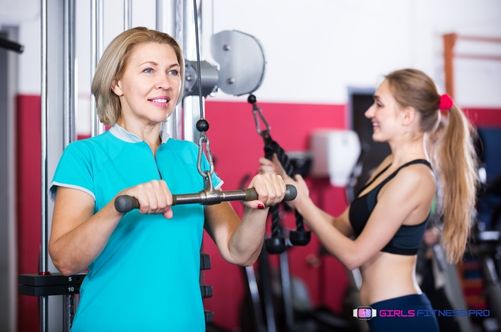
Starting powerlifting as a beginner female can be an incredibly rewarding journey, both mentally and physically. Here's a step-by-step guide to get you started:
1. Understand the Basics:
Powerlifting focuses on three main lifts: the squat, bench press, and deadlift. Your goal will be to improve your strength in these lifts over time.
2. Find a Coach or Mentor:
Working with a coach or someone experienced in powerlifting can help you learn proper form, which is crucial to prevent injury and ensure you’re lifting effectively.
3. Learn Proper Form:
Before adding weight, focus on mastering the form of each lift. Use the barbell without additional weights to practice. YouTube tutorials and guidance from a coach can be beneficial.
4. Start Light:
Begin with lighter weights to build confidence and ensure your technique is solid. Gradually increase the weight as your strength and form improve.
5. Create a Training Plan:
Structure your workouts to include all three lifts throughout the week. A typical plan might involve training three to four times per week focusing on different lifts each day.
6. Focus on Nutrition:
Proper nutrition fuels your body. Ensure you’re eating enough protein to support muscle growth and recovery, and maintain a balanced diet for overall health.
7. Rest and Recovery:
Rest is as important as the workouts themselves. Ensure you’re getting adequate sleep and allow muscle groups time to recover between workouts.
8. Track Your Progress:
Keep a journal of your lifts, noting the weights and reps. This will help you track your progress and set future goals.
9. Join a Community:
Engaging with other powerlifters can provide motivation and support. Consider joining a local gym or online forum where you can connect with others.
10. Stay Consistent and Patient:
Like any fitness goal, progress in powerlifting takes time and dedication. Celebrate small victories and stay consistent with your training.
Remember, the most important aspect is to enjoy the process and stay committed to improving your strength. With time and effort, you'll see significant gains in your powerlifting journey.
What does powerlifting do to a woman's body?
Powerlifting can have a transformative impact on a woman's body. Here are some of the key effects:
1. Increased Muscle Mass and Strength: Powerlifting focuses on compound movements like squats, deadlifts, and bench presses, which engage multiple muscle groups simultaneously. This leads to significant increases in muscle mass and overall strength.
2. Improved Bone Density: The intensity of powerlifting helps enhance bone density, making bones stronger and reducing the risk of fractures and osteoporosis, which is particularly beneficial as women age.
3. Enhanced Physical Aesthetics: Women who powerlift often experience a more toned and sculpted physique. The emphasis on strength rather than cardio leads to a reduction in body fat and development of a more defined muscle appearance.
4. Boosted Metabolism: As muscle mass increases, so does the resting metabolic rate. This means that women will burn more calories at rest, aiding in weight management and fat loss.
5. Increased Confidence and Mental Health Benefits: Regularly lifting heavy weights can lead to a significant boost in self-confidence and self-esteem. Additionally, the discipline and dedication required for powerlifting can contribute to better mental health, reducing symptoms of depression and anxiety.
6. Improved Functional Fitness: Powerlifting enhances functional strength, making everyday activities easier and improving overall quality of life.
7. Better Posture and Core Stability: The core stabilization required in powerlifting movements promotes better posture and strengthens the core muscles, which can alleviate back pain and reduce the risk of injury.
By incorporating powerlifting into their fitness routine, women can experience these profound physical and psychological benefits, leading to a healthier, stronger, and more empowered version of themselves.
What is the 5 3 1 method of powerlifting?
The 5/3/1 method of powerlifting is a popular strength training program developed by Jim Wendler. It's designed to help individuals, including fitness girls, build strength gradually and effectively. Here's a breakdown of what it involves:
1. Four-week Cycle: The program typically runs in four-week cycles. Each cycle focuses on the main lifts: squat, bench press, deadlift, and overhead press.
2. Weekly Breakdown:
- Week 1: Perform 3 sets of 5 reps (5/5/5) at increasing percentages of your one-rep max (1RM).
- Week 2: Perform 3 sets of 3 reps (3/3/3) at slightly higher percentages.
- Week 3: Perform 1 set of 5 reps, 1 set of 3 reps, and 1 set of 1 rep (5/3/1) with the heaviest weights.
- Week 4: A deload week, where you reduce the intensity to allow for recovery.
3. Progressive Overload: A key principle of the 5/3/1 method is progressive overload, meaning that you aim to lift more weight or perform more reps over time. After each cycle, you increase your training weights to ensure continued progress.
4. Flexible Accessory Work: The program allows for flexibility in choosing accessory exercises to address individual weaknesses and goals, making it suitable for fitness girls who may want to focus on specific areas like glutes or core.
5. Focus on Strength and Confidence: The 5/3/1 method is not just about building muscle but also enhancing strength and confidence in your lifting capabilities, which can be empowering for women in fitness.
Overall, the 5/3/1 method provides a structured yet flexible approach to powerlifting, making it an excellent choice for female athletes looking to improve their strength and performance.
How much do you have to lift to be a female powerlifter?
To become a female powerlifter, there's no specific amount of weight you "have" to lift because it largely depends on your weight class and level of competition. However, there are general guidelines and benchmarks in the sport.
1. Beginners: For those new to powerlifting, it's common to start with achieving personal bests and gradually progressing. A beginner might aim to bench press around their own body weight, deadlift 1.5 times their body weight, and squat between their own body weight and 1.25 times it.
2. Intermediate Lifters: As you progress, an intermediate female lifter might aim to achieve a bench press of 1.25 times their body weight, a squat of 1.5 times their body weight, and a deadlift of twice their body weight.
3. Advanced Competitors: At a competitive level, numbers can vary widely based on weight class. However, many advanced female lifters can deadlift over twice their body weight, squat around 1.75-2 times their body weight, and bench approximately 1.5 times their body weight.
Ultimately, the important part is your progression and technique. Competing in powerlifting also involves understanding your individual body mechanics, working with a coach, and consistently training to improve your lifts. The community celebrates diversity in strength and encourages setting personal goals that cater to your unique strengths and weaknesses.
What are the fundamental powerlifting exercises that women should focus on to build strength and confidence?
The fundamental powerlifting exercises for women to build strength and confidence are the squat, bench press, and deadlift. These compound movements target multiple muscle groups, enhancing overall strength and functional fitness. Incorporating them into a training routine helps in developing muscle mass, improving posture, and boosting self-esteem.
How can women effectively incorporate powerlifting into their fitness routine while managing other commitments?
Women can effectively incorporate powerlifting into their fitness routine by prioritizing time management. Schedule specific training days and stick to them, focusing on compound lifts like squats, deadlifts, and bench presses for maximum efficiency. Utilize a progressive overload approach to gradually increase strength without lengthy workouts. Balance powerlifting with other commitments by integrating shorter, high-intensity sessions and maintaining good recovery practices, such as proper nutrition and sleep.
What are the common misconceptions about women participating in powerlifting, and how can these be addressed?
One common misconception about women in powerlifting is that they will become "bulky" or "too masculine." This can be addressed by emphasizing that powerlifting improves strength, confidence, and body composition rather than solely focusing on size. Another misconception is that women are not as strong as men; this can be countered by highlighting women's remarkable achievements and setting personal records in the sport. Lastly, some believe that powerlifting isn't safe for women; educating on proper techniques and training can ensure it is a safe and empowering activity.
Exercise Modifications for Pregnant Women

The Benefits Of Adding Kettlebells To Your Routine

Low-Intensity Workouts For Injury Recovery

Workout Routines To Build Core Stability

How To Train For A Half Marathon As A Beginner

Mobility Exercises To Enhance Flexibility
Subir
Display a rewarded ad
Deja una respuesta