
Stretching And Recovery Tips For Sore Muscles
Discover essential stretching techniques and effective recovery tips to alleviate sore muscles. Enhance your fitness routine by incorporating these strategies, ensuring optimal performance and muscle health. Dive into our guide and transform your recovery process today!
⭐ Table of content
Maximize Your Workout Gains: Essential Stretching and Recovery Tips for Fitness Enthusiasts
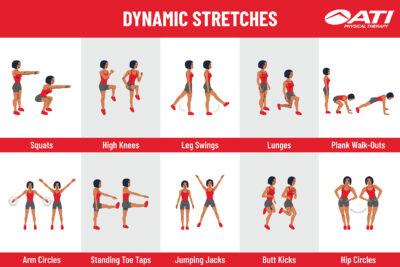
For Fitness girls aiming to maximize their workout gains, essential stretching and recovery tips are crucial. Incorporating a well-structured stretching routine can significantly enhance performance and prevent injuries. Before you start your workout, make sure to engage in dynamic stretching. This involves controlled movements that prepare your muscles and increase your range of motion.
Post-workout, focus on static stretching which requires holding each stretch for about 15-30 seconds. This helps in relaxing the muscles and reducing post-exercise soreness. Key areas to focus on include the hamstrings, quadriceps, and hip flexors, as these are typically under strain during workouts.
In addition to stretching, prioritize adequate recovery. This means getting enough sleep, staying hydrated, and incorporating rest days into your fitness regimen. Utilize tools like foam rollers or massage guns for myofascial release. This technique helps to release muscle tightness and improve blood flow.
Nutrition also plays a fundamental role in recovery. Consume a balanced diet with sufficient protein, carbohydrates, and fats to support muscle repair and growth. Don't forget the importance of electrolytes and vitamins to replenish what’s lost during intense sessions.
Remember, consistency in these practices can lead to significant improvements in flexibility, strength, and overall fitness. For Fitness girls, these strategies not only enhance physical performance but also contribute to long-term health and well-being.

Is it good to stretch your muscles when they are sore?
When it comes to fitness, especially for Fitness girls pushing their workouts to the next level, soreness can often feel like an inevitable part of the journey. You might be wondering if it's beneficial to stretch your muscles when they are sore. The answer is generally yes, but with some considerations.
Stretching sore muscles can help improve flexibility, increase blood flow, and reduce tension in the area. By doing so, you promote recovery and potentially alleviate some of the discomfort associated with muscle soreness. However, it's essential to listen to your body. If the soreness is extreme, or if you're dealing with an injury, it's better to err on the side of caution.
For Fitness girls, incorporating dynamic stretching before a workout and static stretching afterward can be advantageous. Dynamic stretches help prepare the muscles for exercise, while static stretches can aid in recovery and help maintain flexibility.
Remember, gentle stretching is key. Avoid overstretching or any movements that cause significant pain. Pairing stretching with other recovery techniques like hydration, proper nutrition, and rest will enhance the healing process.
Ultimately, balance and moderation are crucial. Stretch enough to feel relief but not so much that it exacerbates soreness or leads to further strain.
How do I make sore muscles recover faster?
Recovering from sore muscles is essential, especially for Fitness girls who want to stay consistent with their training routines. Here are some tips to help you recover faster:
1. Stay Hydrated: Drinking plenty of water helps flush out toxins and supports muscle repair. Aim to drink at least 8-10 glasses of water a day, more if you're sweating heavily during workouts.
2. Get Adequate Protein: Protein is crucial for muscle recovery. Including high-quality protein in your meals, such as chicken, fish, tofu, or legumes, can aid in the repair and growth of muscle tissues.
3. Active Recovery: Engage in light activities like walking, yoga, or swimming. This increases blood flow to sore areas without putting too much stress on them, which can hasten recovery.
4. Stretching: Gentle stretching can relieve muscle tightness and improve flexibility. Incorporate a stretching routine after your workouts to keep your muscles flexible and limber.
5. Rest and Sleep: Ensure you get plenty of rest and aim for 7-9 hours of quality sleep each night. Sleep is when your body does most of its repair work, making it critical for recovery.
6. Use Foam Rollers: Foam rolling is a form of self-myofascial release that can reduce muscle stiffness and soreness. Spend a few minutes rolling out sore muscles daily.
7. Nutrient-Rich Diet: Incorporate fruits and vegetables rich in antioxidants and anti-inflammatory properties to support muscle recovery. Foods like berries, spinach, and nuts are excellent choices.
8. Consider Supplements: Supplements like BCAAs (branched-chain amino acids) or omega-3 fatty acids might assist in reducing muscle soreness and inflammation when taken regularly.
By integrating these practices into your routine, you'll be better equipped to minimize muscle soreness and bounce back stronger for your next workout session.
How to stretch to relieve soreness?
To relieve soreness effectively, especially for Fitness girls who often engage in intense workouts, incorporating a variety of stretches into your routine can be beneficial. Here’s how:
1. Dynamic Warm-Up: Before starting your stretching routine, it's crucial to engage in a dynamic warm-up to increase blood flow to your muscles. Activities like light jogging, jumping jacks, or arm circles can help.
2. Foam Rolling: Using a foam roller is a great way to relieve muscle tightness and soreness. Roll over sore areas for about 30-60 seconds each, focusing on the quads, hamstrings, calves, and any specific areas feeling tense.
3. Static Stretching: After your workout, focus on static stretching to improve flexibility and reduce soreness:
- Hamstring Stretch: Sit with one leg extended and the other bent. Reach toward your toes and hold for 20-30 seconds, then switch legs.
- Quad Stretch: Stand on one leg, pull your other leg behind you, holding your ankle, and keep your knees together. Hold for 20-30 seconds and switch legs.
- Calf Stretch: Place your hands against a wall, step one foot back, and press the heel into the floor. Hold for 20-30 seconds on each side.
4. Yoga Poses: Incorporating yoga poses like Child’s Pose, Downward Dog, and Pigeon Pose can help in stretching multiple muscle groups and reducing tension.
5. Hydration and Nutrition: Adequate hydration and consuming foods rich in protein and anti-inflammatory properties can aid in faster recovery and relief from soreness.
6. Consistency: Make stretching a consistent part of your routine. Aim to stretch daily, especially on rest days, to maintain muscle health and flexibility.
By following these steps, Fitness girls can effectively manage and relieve soreness, promoting better performance and overall muscle recovery.
What is the best thing for sore muscles?
When it comes to soothing sore muscles, especially after an intense workout, there are several effective strategies that fitness enthusiasts can incorporate into their routine. Here are some top recommendations:
1. Rest and Recovery: Allowing your muscles time to recover is crucial. Adequate sleep and rest days enable muscle repair and growth.
2. Hydration: Drinking plenty of water helps flush out toxins and prevents dehydration, which can exacerbate muscle soreness.
3. Stretching and Yoga: Gentle stretching or yoga can enhance flexibility, promote blood flow, and reduce muscle tightness.
4. Foam Rolling: Using a foam roller can help ease tension in the muscles by applying pressure to trigger points, enhancing overall recovery.
5. Ice and Heat Therapy: Applying ice can reduce inflammation, while heat therapy can improve blood circulation and relieve muscle stiffness.
6. Proper Nutrition: Consuming a balanced diet rich in proteins, vitamins, and minerals aids in repairing muscle tissue. Foods like lean meats, leafy greens, and healthy fats are beneficial.
7. Massage: A professional massage can significantly relieve soreness by increasing blood flow and reducing muscle tension.
8. Active Recovery: Engaging in low-intensity activities such as walking or swimming can keep your muscles active without overexerting them.
9. Epsom Salt Baths: Soaking in an Epsom salt bath can help relax muscles and decrease pain.
By integrating these strategies, Fitness girls can effectively manage and alleviate muscle soreness, ensuring that they're ready for their next workout session with increased vigor and enthusiasm.
What are the best stretching techniques for fitness girls to alleviate sore muscles after an intense workout?
To alleviate sore muscles after an intense workout, fitness girls should focus on incorporating a blend of dynamic and static stretching. Begin with dynamic stretches like leg swings and arm circles to increase blood flow. Follow up with static stretches such as the hamstring stretch, quad stretch, and child's pose to gently elongate muscles and release tension. Prioritize deep breathing during these stretches to enhance relaxation and recovery.
How often should fitness girls incorporate stretching into their routine to optimize recovery and prevent muscle soreness?
Fitness girls should incorporate stretching into their routine daily to optimize recovery and prevent muscle soreness. Aim for 5-10 minutes of stretching after workouts to improve flexibility and reduce tension. Additionally, consider a more extensive stretching session at least once a week to further enhance mobility and relaxation.
Are there specific recovery tools or practices that fitness girls should use alongside stretching to enhance muscle recovery?
Yes, aside from stretching, fitness girls can benefit from using a foam roller for myofascial release, engaging in active recovery activities like yoga or light swimming, staying hydrated, and utilizing compression therapy. Incorporating adequate sleep and a balanced diet high in protein also supports muscle recovery.
How To Warm Up Properly For Any Workout

Jump Rope Workouts For A Fun And Effective Cardio
5 Exercises To Improve Your Balance And Stability
Functional Training Exercises For Everyday Strength

Workout Splits Explained: Which Is Right For You?
How To Safely Progress In Weightlifting
Subir
Display a rewarded ad
Deja una respuesta