
Handling Comparison In The Age Of Social Media
Navigating the world of fitness inspiration online can often lead to unwanted self-comparison. Our latest article on Girls Fitness delves into strategies for handling these comparisons in today's social media age, helping you maintain a positive outlook and focus on your individual journey.
⭐ Table of content
Navigating self-worth as a fitness enthusiast on social media can be a complex journey, especially for fitness girls who are constantly bombarded with images of seemingly perfect bodies and lifestyles. It's crucial to remember that social media often showcases highlights and not the entire reality. While comparison can sometimes be motivating, it's essential to practice positive comparison that encourages personal growth rather than diminishes self-worth.
One effective strategy is to focus on your own progress by setting individualized goals that reflect your unique journey. When you see another fitness girl achieving something remarkable, instead of feeling inadequate, try to use her success as a source of inspiration and motivation. Remember, everyone's fitness journey is different, and what works for one person may not work for another.
Additionally, curating your social media feed to include accounts that foster positivity and realistic expectations can greatly impact your self-perception. Follow those who promote body positivity and inclusivity, and who openly discuss the ups and downs of their fitness journeys. Engaging in communities that uplift and empower can help reinforce the notion that self-worth is not determined by physical appearance alone.
In summary, mastering the art of positive comparison involves recognizing the achievements of others without diminishing your own. By focusing on your unique path, embracing realistic role models, and engaging with supportive communities, you can enhance your self-worth and enjoy a healthier relationship with both fitness and social media.

Overcoming social media comparison, especially in the context of fitness girls, can be challenging due to the constant exposure to curated and often unrealistic images. Here are some strategies to help you manage this comparison:
1. Understand the Reality: Remember that most images on social media are curated, edited, and highlight people's best moments. It's important to recognize that what you see may not reflect reality.
2. Set Personal Goals: Focus on your own fitness journey by setting personal goals that are meaningful to you. This will help shift your focus from comparing yourself to others to improving your own health and wellbeing.
3. Curate Your Feed: Be mindful of who you follow on social media. Choose accounts that inspire and motivate you, rather than those that lead to negative self-comparison. You might want to follow fitness accounts that show a more balanced and realistic approach to health.
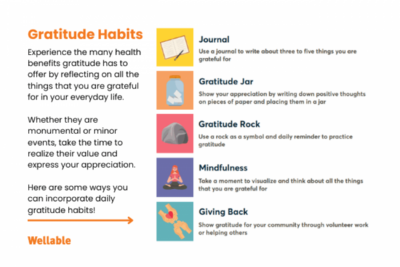
4. Practice Gratitude: Regularly remind yourself of your own strengths and achievements. Write down things you are grateful for in your fitness journey. This can help build a more positive mindset.
5. Limit Screen Time: Spend less time on social media and more time engaging in activities that make you feel good about yourself. This can include working out, spending time with loved ones, or pursuing hobbies.
6. Connect with Reality: Engage in real-life conversations and activities that remind you of the diversity and uniqueness of people's bodies and fitness levels. This will help ground your perception of what is 'normal'.
7. Seek Support: If social media comparison is affecting your mental health, consider talking to a friend, mentor, or counselor. Having someone to discuss your feelings with can provide perspective and support.
By focusing on these strategies, you can diminish the impact of social media comparisons and appreciate the unique progress of your own fitness journey.
Social media significantly influences social comparison theory, particularly in the context of fitness girls. This theory suggests that individuals determine their own social and personal worth based on how they stack up against others. With the rise of platforms like Instagram and TikTok, where fitness influencers frequently share curated images and videos, social comparison has become more prevalent.
Firstly, social media creates an idealized version of reality. Fitness girls often post pictures and stories showcasing their perfect bodies, workout routines, and healthy meals. These posts are usually edited with filters and taken under optimal conditions, sometimes leading to unrealistic standards for the average follower. As a result, individuals may compare themselves against these high standards, potentially resulting in feelings of inadequacy or dissatisfaction.
Secondly, constant exposure to this type of content can intensify the comparison process. The algorithms used by social media platforms promote content that aligns with users' interests, which means that someone interested in fitness will likely see multiple posts from fitness girls daily. This repetitive exposure can amplify the pressure to achieve similar results and maintain an ideal body image.
Moreover, social media provides both upward and downward comparisons. Upward comparison occurs when followers view influencers with better perceived physiques or achievements, leading them to feel motivated but also envious or discouraged if they cannot reach the same level. Downward comparison might happen when individuals feel superior or more accomplished compared to others, though this is less common in the fitness niche.
Lastly, the interactive nature of social media allows for immediate feedback through likes, comments, and shares, further influencing how people perceive themselves. Positive reinforcement can enhance self-esteem, while negative comments or lack of engagement might contribute to self-doubt and anxiety.
In conclusion, social media affects social comparison theory by emphasizing idealized representations of fitness girls, which can impact followers’ self-evaluation and mental health. It's important for individuals to be aware of these dynamics and approach social media content with a critical eye to maintain a healthy self-image.
In the context of Fitness girls, social media appearance comparison refers to the tendency of individuals to compare their own bodies and fitness journeys with those they see on social media platforms. This phenomenon is particularly prevalent among fitness enthusiasts who follow Fitness girls for motivation and inspiration.
1. Highlight Reels vs. Reality: Social media often showcases the highlight reels of people's lives, presenting an idealized version of fitness journeys. This can lead to unrealistic comparisons, as followers may not be aware of the behind-the-scenes efforts, professional help, or filtering techniques that go into a single post.
2. Mental Health Impact: Constant comparison can lead to issues like body dissatisfaction, anxiety, and decreased self-esteem. Followers might feel inadequate or discouraged if they aren't seeing similar results, despite differences in genetics, time commitment, and personal circumstances.
3. Influence on Goals: While some comparisons may motivate individuals to push harder, there is a risk of setting unrealistic goals based on someone else's progress, which may not align with one's own body type or lifestyle.
4. Community and Support: On the positive side, social media can also foster a sense of community where Fitness girls and their followers support and motivate each other, sharing tips and encouragement that can be beneficial if approached positively.
Overall, while social media appearance comparison can have negative impacts, awareness and a balanced perspective are crucial for maintaining a healthy mindset and realistic expectations in one's fitness journey.
What is the comparison trap theory?
The comparison trap theory in the context of Fitness girls refers to the psychological pattern where individuals compare themselves to others, often leading to feelings of inadequacy and demotivation. In the fitness world, especially among women, this can be quite prevalent due to the constant exposure to images and stories of other women who may appear more fit or have achieved different fitness goals.
This theory suggests that when Fitness girls focus on how they measure up to others, rather than their own progress or personal goals, it can result in a negative mindset. Social media platforms often exacerbate this issue, as they provide a continuous stream of content that can lead individuals to feel like they are not doing enough or achieving fast enough. The emphasis should shift from comparison to personal growth and self-improvement.
The key to overcoming the comparison trap is to practice self-awareness and mindfulness, recognizing when these comparisons happen and redirecting the focus back to one's own journey. Setting personalized fitness goals and celebrating personal achievements, no matter how small, can help reinforce a positive and healthy mindset. By acknowledging that everyone's fitness journey is unique, Fitness girls can avoid the pitfalls of the comparison trap and instead foster a supportive and motivating environment.
How can fitness girls maintain a healthy mindset when comparing themselves to others on social media?
Fitness girls can maintain a healthy mindset by focusing on their own individual progress and personal goals, rather than comparing themselves to others. They should acknowledge that social media often highlights curated and edited versions of reality. Practicing self-compassion and surrounding themselves with a supportive community can also help reinforce positive self-image and mental well-being.
What are effective strategies for fitness girls to use social media as a source of inspiration rather than competition?
To use social media as a source of inspiration rather than competition, fitness girls can adopt several strategies. First, curate your feed by following accounts that promote positivity and genuine motivation. Second, set personal goals that align with your journey, keeping the focus on self-improvement. Third, engage with communities that emphasize support and encouragement, such as fitness groups or challenges. Lastly, practice mindfulness by regularly assessing how content makes you feel and unfollow accounts that trigger negative emotions. This mindset shift can transform social media into a tool for growth and empowerment.
How can fitness girls set realistic personal fitness goals despite the often idealized portrayals seen in social media?
Fitness girls can set realistic personal fitness goals by first assessing their own unique strengths and limitations, focusing on progress rather than perfection. They should prioritize individual health and well-being over achieving a specific aesthetic. It's crucial to educate themselves on the difference between edited portrayals on social media and real-life achievements. Setting S.M.A.R.T. (Specific, Measurable, Achievable, Relevant, Time-bound) goals and celebrating small victories can help maintain motivation and promote a positive body image. Seeking guidance from professionals and surrounding themselves with a supportive community are also key steps in staying grounded and focused on their personal journey.
The Role Of Gratitude In Fitness And Wellness

How To Avoid Burnout With Balanced Fitness Goals
Morning Mindset Habits For A Productive Day
How Exercise Impacts Hormonal Health

5 Breathing Exercises For Relaxation And Focus

Creating A Positive Body Image In The Fitness World
Subir
Display a rewarded ad
Deja una respuesta