
How Exercise Impacts Hormonal Health
Unlock the secret to balanced living! Discover how exercise influences hormonal health and transforms your body and mind. Dive into the science behind fitness routines that harmonize hormones, boosting both energy and well-being. Stay empowered with insights tailored for today's fitness-driven women!
⭐ Table of content
Balancing Hormones: The Crucial Role of Exercise in Women's Health and Fitness
Exercise plays a vital role in maintaining women's health, particularly when it comes to balancing hormones. Hormonal balance is crucial for overall well-being, affecting everything from mood to metabolism. For Fitness girls, understanding this connection can enhance both performance and health outcomes.
Regular physical activity helps regulate estrogen and progesterone levels, two key hormones that fluctuate throughout a woman's menstrual cycle. These fluctuations can impact energy levels, muscle recovery, and even the risk of injury. By engaging in consistent exercise, women can mitigate some negative effects associated with hormonal imbalances.
Strength training, in particular, offers significant benefits. It promotes the production of growth hormone, which aids in muscle repair and growth. This type of exercise not only enhances physical strength but also supports hormonal health. Additionally, aerobic exercises like running or cycling help reduce cortisol—the stress hormone—which can disrupt hormonal balance if levels remain elevated for long periods.
Exercise can also improve insulin sensitivity, an important factor in hormone regulation. Poor insulin sensitivity can lead to conditions like polycystic ovary syndrome (PCOS), which affects hormone levels and can hinder fitness goals. Incorporating various forms of exercise, such as resistance training and cardio, can effectively manage insulin levels.
Furthermore, exercise increases endorphins, often called "feel-good" hormones, which can alleviate symptoms of hormonal fluctuation like mood swings and fatigue. For Fitness girls, a well-rounded workout routine not only builds physical resilience but also bolsters mental health by stabilizing these hormonal changes.
Incorporating rest and recovery is equally important. Over-exercising can lead to elevated cortisol levels, disrupting hormonal balance. Thus, a combination of adequate rest days and regular workouts is essential for optimal hormonal health.
Ultimately, Fitness girls who prioritize hormonal balance through exercise can experience improved energy levels, better mood stability, and enhanced physical performance. By understanding the profound impact of exercise on hormones, women can tailor their fitness routines to support both their athletic ambitions and overall health.

How does exercise affect the hormonal system?
Exercise has a significant impact on the hormonal system, which is crucial for anyone participating in fitness activities, including fitness girls. Here's how:
1. Endorphins: Often referred to as "feel-good" hormones, endorphins are released during exercise and help reduce the perception of pain, leading to feelings of euphoria and general well-being. This is commonly known as the "runner's high."
2. Cortisol: As a stress hormone, cortisol levels can be affected by exercise. Moderate exercise can help reduce cortisol production, while very intense or prolonged exercise might temporarily increase it. Managing cortisol is essential for reducing stress and supporting overall health.
3. Insulin Sensitivity: Regular physical activity improves insulin sensitivity, meaning the muscles become more efficient at absorbing glucose for energy. This helps in managing blood sugar levels and preventing conditions like type 2 diabetes.
4. Growth Hormone: Exercise stimulates the release of growth hormone, which is vital for cell repair, muscle growth, and fat metabolism. This hormone is particularly important for fitness enthusiasts looking to build lean muscle mass.
5. Estrogen and Progesterone: For fitness girls, maintaining a balance of estrogen and progesterone is crucial for menstrual health and overall well-being. Exercise can help moderate these hormones, although excessive training without adequate nutrition may lead to imbalances.
6. Testosterone: While typically associated with males, testosterone is also important for females as it aids in muscle growth and bone density. Strength training, in particular, can help boost testosterone levels in women.
7. Thyroid Hormones: These hormones regulate metabolism. Exercise can enhance thyroid function, boosting metabolic rate and promoting better weight management.
Incorporating the right balance and intensity of exercise can have profound benefits on the hormonal system, thereby enhancing physical performance, mental well-being, and overall health for fitness girls.
How does exercise help hormones?
Exercise plays a crucial role in balancing and regulating hormones, which is particularly beneficial for fitness girls aiming to optimize their health and performance. Here’s how exercise helps hormones:
1. Boosts Endorphins: Physical activity increases the production of endorphins, often referred to as the "feel-good" hormones. This can lead to improved mood, reduced stress, and a general sense of well-being.
2. Regulates Insulin Levels: Regular exercise enhances insulin sensitivity, helping to regulate blood sugar levels. This is especially beneficial for preventing metabolic disorders and managing weight.
3. Balances Estrogen: For fitness girls, maintaining balanced estrogen levels is essential for reproductive health and reducing the risk of hormone-related cancers. Exercise can help in modulating estrogen levels effectively.
4. Cortisol Management: Exercise can help lower cortisol levels, the body's primary stress hormone. While short-term exercise can temporarily increase cortisol, regular physical activity helps manage stress over time.
5. Stimulates Growth Hormone Production: Engaging in resistance training and high-intensity workouts stimulates the production of growth hormone, which is vital for muscle development, fat metabolism, and overall body composition.
6. Enhances Thyroid Function: Exercise can boost thyroid hormone production, which plays a critical role in regulating metabolism. A well-functioning thyroid can help improve energy levels and weight management.
7. Improves Sleep Hormones: Regular physical activity can help regulate sleep patterns by influencing melatonin production. Better sleep is essential for recovery and overall hormonal balance.
By integrating consistent exercise into their routines, fitness girls can harness these hormonal benefits to support their health, enhance physical performance, and achieve their fitness goals.
Which three hormones are affected by physical activity?
In the context of Fitness girls, regular physical activity significantly impacts various hormones in the body. Three key hormones affected by physical activity include:
1. Endorphins: Often referred to as the "feel-good" hormones, endorphins are released during exercise, leading to a reduction in pain perception and an increase in overall mood. This can enhance motivation and provide a sense of well-being, which is beneficial for fitness enthusiasts.
2. Cortisol: Known as the stress hormone, cortisol levels can be influenced by exercise intensity and duration. While moderate exercise helps in managing cortisol effectively, overtraining can lead to elevated levels, which may negatively impact recovery and muscle growth.
3. Insulin: Physical activity enhances insulin sensitivity, allowing cells to use glucose more effectively. This can help in regulating blood sugar levels, improving metabolic health, and supporting fat loss, which are crucial aspects for those focusing on fitness and overall health.
Incorporating regular workouts not only benefits physical appearance but also plays a significant role in balancing these crucial hormones.
What hormone is triggered by exercise?
Exercise triggers several hormones that play crucial roles in fitness and overall health. For Fitness girls, some of the most significant hormones activated by exercise include:
1. Endorphins: Often referred to as the "feel-good" hormones, endorphins are released during physical activity and help reduce pain perception, leading to a feeling of euphoria often known as the "runner’s high."
2. Adrenaline (Epinephrine): This hormone increases heart rate, blood pressure, and energy supply, preparing the body for intense physical activity.
3. Cortisol: Released in response to stress and low blood sugar, this hormone helps manage energy by increasing glucose availability. While it's necessary for training, chronic elevation due to overtraining can be detrimental.
4. Growth Hormone: Stimulated by exercise, especially strength training, this hormone supports muscle growth, fat metabolism, and tissue repair.
5. Insulin: Exercise improves insulin sensitivity, which helps cells absorb glucose more efficiently, providing energy for workouts and aiding in recovery.
6. Testosterone: While commonly associated with males, females also produce testosterone. Exercise, particularly resistance training, can enhance its production, aiding in muscle development and fat loss.
For Fitness girls, understanding how these hormones work can help optimize workout plans and improve both physical performance and mental well-being.
How does regular exercise influence hormonal balance in women who are dedicated to fitness?
Regular exercise in women dedicated to fitness can significantly influence hormonal balance by helping regulate levels of estrogen and progesterone, leading to more consistent menstrual cycles. It also increases endorphins, which improve mood and reduce stress, and enhances insulin sensitivity, aiding in better energy management and reduced risk of metabolic disorders. Additionally, exercise can boost growth hormone levels, supporting muscle development and fat metabolism.
What types of workouts are most effective for optimizing hormonal health in fitness girls?
For optimizing hormonal health in fitness girls, a combination of strength training and high-intensity interval training (HIIT) is most effective. Strength training enhances muscle mass and boosts metabolism, while HIIT improves cardiovascular health and increases the release of beneficial hormones like growth hormone and endorphins. Additionally, incorporating practices like yoga or pilates can help reduce stress levels, promoting better overall hormonal balance.
Can intense training negatively affect hormonal levels in female athletes?
Yes, intense training can negatively affect hormonal levels in female athletes. It can lead to conditions like amenorrhea or disrupted menstrual cycles due to lower estrogen levels. This is often a result of energy deficiency when the body doesn't get enough calories to support intense physical activity, leading to a state known as Relative Energy Deficiency in Sport (RED-S).
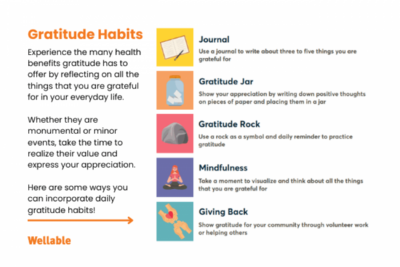
The Role Of Gratitude In Fitness And Wellness

How To Avoid Burnout With Balanced Fitness Goals
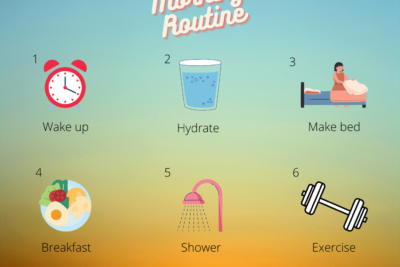
Morning Mindset Habits For A Productive Day
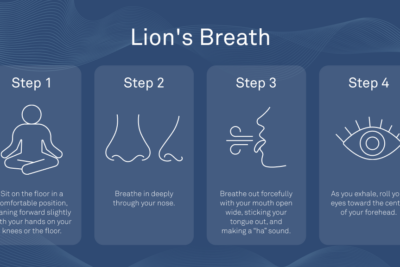
5 Breathing Exercises For Relaxation And Focus

Handling Comparison In The Age Of Social Media

Creating A Positive Body Image In The Fitness World
Subir
Display a rewarded ad
Deja una respuesta