
How To Set Realistic Fitness Goals
Setting realistic fitness goals can be the cornerstone of your success journey. In our article, discover how to craft achievable targets that inspire progress. With the right approach, you’ll learn to transform ambitions into actionable plans that foster lasting change without overwhelm.
⭐ Table of content
Discover the Art of Setting Achievable Fitness Goals Tailored for Women
Setting achievable fitness goals is essential for women looking to enhance their overall health and wellbeing. Understanding the unique physiological needs of women can make a significant difference in how these goals are formulated and achieved.
Identify Your Baseline. Before embarking on any fitness journey, it’s crucial to understand your current fitness level. This involves assessing factors such as cardiovascular endurance, strength, flexibility, and body composition. By knowing where you stand, you can set realistic starting points and milestones.
Define Clear Objectives. Whether your aim is to lose weight, build muscle, increase flexibility, or improve endurance, having a clear objective provides direction and motivation. Break down larger objectives into smaller, more manageable tasks. For instance, if the ultimate goal is to run a marathon, smaller goals may include running shorter distances or improving pace over time.
Create a Balanced Routine. A well-rounded fitness regimen should incorporate various elements such as strength training, cardio, and flexibility exercises. Women can benefit from routines that combine these components to ensure overall development and prevent burnout.
Consider Nutrition and Rest. Fitness goals cannot be isolated from nutrition and sleep. A balanced diet tailored to support your energy requirements and muscle recovery is vital. Similarly, adequate rest allows the body to repair and grow stronger.
Monitor Progress Regularly. Keeping track of your progress not only helps to stay motivated but also highlights areas that may need adjustment. Logging workouts, taking measurements, or using fitness apps can provide insightful data.
Stay Flexible and Adjust Goals. Life can be unpredictable; thus, fitness plans should be adaptable. If unexpected events occur, reassessing and modifying goals ensures they remain attainable and relevant.

By setting realistic, specific, and adaptable fitness goals, women can embark on a fulfilling fitness journey tailored to their individual needs.
What is a realistic gym goal?
Setting a realistic gym goal is essential for maintaining motivation and ensuring steady progress. For Fitness girls, it’s important to establish goals that are both ambitious yet attainable. Here are a few examples:
1. Consistency: Aim to work out a certain number of times per week. A realistic goal might be to hit the gym 3-5 times a week, allowing rest days for recovery.
2. Strength Increase: Focus on improving strength in compound lifts. For instance, you could aim to increase your squat or deadlift by 5-10% over a 3-month period.
3. Endurance Building: Enhance cardiovascular fitness. You might set a goal to run a 5K without stopping or improve your time on a particular distance.
4. Flexibility and Mobility: Incorporate yoga or flexibility workouts with the goal of improving range of motion within 6 months.
5. Nutritional Goals: Pair fitness goals with nutrition, like maintaining a balanced diet to support muscle growth or fat loss. This could include tracking macros or simply ensuring adequate protein intake.
6. Body Composition Changes: Rather than focusing on weight, aim to change body composition by reducing body fat and gaining muscle. An example could be reducing body fat by 2% over 3 months.
It's crucial to tailor these goals to fit individual capabilities and lifestyle. Breaking larger goals into smaller, measurable milestones makes the journey manageable and enjoyable.
How do you set achievable fitness goals?
Setting achievable fitness goals is crucial for success, especially for fitness girls who are dedicated to improving their health and physique. Here are some steps to help set effective goals:
1. Define Your Vision: Start by understanding what you truly want to achieve. This might be increasing strength, improving flexibility, losing weight, or simply feeling healthier. Having a clear vision will motivate you and guide your planning process.
2. Set SMART Goals: Ensure that your goals are Specific, Measurable, Achievable, Relevant, and Time-bound. For example, instead of aiming to "get fit," aim to "run a 5k in under 30 minutes within the next three months."
3. Break It Down: Divide your main goal into smaller, manageable tasks. If your goal is to build muscle, focus first on consistently attending the gym thrice a week, before perfecting form or lifting heavier weights.
4. Track Progress: Keep a journal or use fitness apps to monitor your progress. Tracking helps in identifying patterns and areas where you may need to make adjustments.
5. Stay Realistic: Acknowledge your current fitness level and any limitations. Set goals that challenge you but are still within reach; unrealistic goals can lead to frustration and burnout.
6. Celebrate Milestones: Recognize and reward yourself for achieving small milestones along the way. This positive reinforcement can keep motivation high.
7. Adjust as Needed: Be prepared to modify your goals based on your progress and any unforeseen circumstances. Flexibility is essential to maintaining momentum.
By following these guidelines, fitness girls can create a structured path towards their objectives, making the journey more rewarding and successful.
How do you set realistic goals examples?
When setting realistic goals in the context of fitness for girls, it's important to consider both short-term and long-term objectives while aligning them with personal motivations and capabilities. Here are some examples and strategies:
1. Define Your Why: Understanding why you want to achieve a particular goal can provide motivation and direction. For example, if your goal is to get stronger, focus on the benefits like improved health, increased energy levels, or boosting self-confidence.
2. Specific and Clear Goals: Instead of saying "I want to get fit," specify what that means. For instance, "I aim to run a 5K in under 30 minutes" or "I want to be able to do 10 unassisted pull-ups."
3. Measurable Objectives: Ensure that you have a way to track progress. This could be measuring weight lifted, body measurements, or time spent on a certain exercise. For example, "I want to increase my squat by 20 pounds in three months."
4. Achievable and Realistic: Set goals that challenge you but are still within reach based on your current fitness level. For example, “I will attend three yoga classes per week,” rather than jumping into daily sessions if you’re a beginner.
5. Time-Bound Milestones: Give yourself a timeline to create urgency and promote consistency. An example might be "I plan to lose five pounds in two months."
6. Create Mini-Goals: Break larger goals into smaller, more manageable parts. If your goal is to build muscle, start with mini-goals like "I will add 5 minutes of strength training to my workout every week."
7. Celebrate Progress: Recognize and reward yourself for achieving mini-goals or milestones to maintain motivation. For instance, treat yourself to a new workout outfit after hitting a monthly target.
8. Seek Support: Share your goals with friends, family, or a community who can offer encouragement and accountability. Consider joining a fitness group where you can support each other’s journeys.
9. Flexibility is Key: Be prepared to adjust goals as needed. Life circumstances or changing fitness levels may require you to reassess your objectives.
By setting goals thoughtfully and strategically, fitness girls can not only achieve their desired results but also enjoy the journey towards improved health and well-being.
What are the five rules in setting fitness goals?
When setting fitness goals, especially for Fitness girls, it's essential to ensure they are realistic, motivating, and effective. Here are five crucial rules:
1. Specific and Clear Goals: Define exactly what you want to achieve. Instead of saying "I want to get fit," specify with goals like "I want to increase my squat weight by 20 pounds" or "I want to run a 5k in under 30 minutes."
2. Measurable Criteria: Have metrics in place to track progress. This could be through keeping a workout journal, using fitness apps, or regular check-ins to note improvements in strength, endurance, or physique.
3. Attainable and Realistic Objectives: Your goals should challenge you but remain achievable. Consider your current fitness level, lifestyle, and timeline to set goals that push you without setting you up for disappointment.
4. Relevant and Personal: Ensure the goals resonate with your personal desires and long-term vision. They should be relevant to your overall fitness aspirations and lifestyle rather than based on external pressures or trends.
5. Time-Bound Milestones: Set a clear timeline for achieving these goals. Having a deadline creates urgency and prompts consistent effort. Break larger goals into smaller, manageable phases with specific dates for each milestone.
By adhering to these rules, Fitness girls can create a structured and motivational pathway to achieving their fitness ambitions.
What factors should fitness girls consider when setting realistic fitness goals?
When setting realistic fitness goals, fitness girls should consider their current fitness level, taking into account their strengths and limitations. It's essential to set goals that are specific, measurable, attainable, relevant, and time-bound (SMART). Understanding personal motivations and why achieving these goals matters can help maintain focus. Consider the time and resources you can realistically commit, such as access to equipment or a gym. It's also important to factor in any health conditions or injuries that could affect your plan. Lastly, periodic self-assessment is crucial to ensure progress and make necessary adjustments.
How can fitness girls balance ambition with realism in their fitness goal-setting?
Fitness girls can balance ambition with realism in their goal-setting by setting SMART goals—those that are Specific, Measurable, Achievable, Relevant, and Time-bound. It's essential to remain focused on both short-term targets and long-term aspirations while regularly assessing progress. Incorporating rest days and maintaining flexibility in their plans can help adjust goals as their bodies change and improve.
What strategies can fitness girls use to track and adjust their fitness goals effectively?
Fitness girls can use several strategies to track and adjust their fitness goals effectively. Firstly, they should set SMART (Specific, Measurable, Achievable, Relevant, Time-bound) goals to ensure clarity and feasibility. Using fitness apps or journals can help in consistently tracking progress by recording workouts, nutrition, and measurements. Regularly reviewing progress allows for adjustments as needed, focusing on what works best. Incorporating monthly assessments and being open to tweaking exercise routines or diets keeps the approach dynamic and responsive to body needs. Finally, engaging with a community or personal trainer provides accountability and expert advice to stay on track.
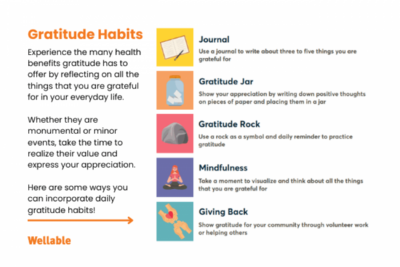
The Role Of Gratitude In Fitness And Wellness

How To Avoid Burnout With Balanced Fitness Goals
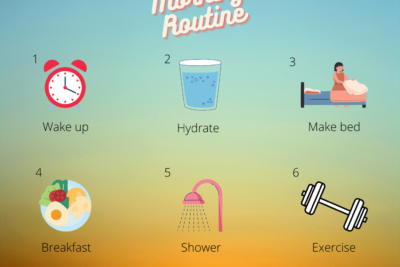
Morning Mindset Habits For A Productive Day
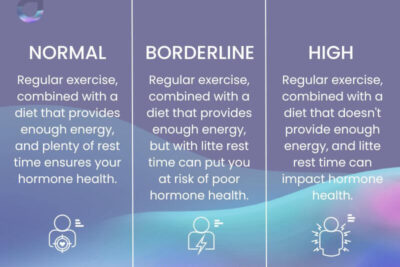
How Exercise Impacts Hormonal Health
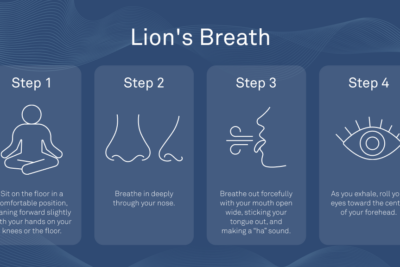
5 Breathing Exercises For Relaxation And Focus

Handling Comparison In The Age Of Social Media
Subir
Display a rewarded ad
Deja una respuesta